Skip to content

How to get the best output from your wearable breast pump
Share
Wearable breast pumps are great for fitting pumping around real life. If you are back at work, looking after other little people, or simply trying to get a few things done while expressing, having your hands free can make a big difference.
But if you're finding your wearable pump isn't collecting as much milk as you expected, you're not alone.
The good news? before assuming your pump isn't working for you, there are some practical things worth checking.
Starting with flange fit, how the pump sits on your breast, your settings and even your bra can all affect how comfy and effective you express.
Lets troubleshoot!
- Check your flange size first. If theres one thing to get right, it's your flange fit. The flange is the part of the pump that sits against your breast and creates a seal around your nipple. If the fit isn't right you may experience discomfort, leaking or less effective milk removal.
How do you know if your flange fits correctly?
- Your nipple should sit centrally in the tunnel.
- Your nipple should move freely without rubbing painfully against the sides.
- You shouldn't experience pinching, burning or excessive pulling.
- Your areola shouldn't be drawn into the tunnel excessively.
- Pumping should be comfy, not painful.
Measure your nipples! Remember your nipple size can chnage throughout your bresatfeeding journey, so it's worth reassessing your pump fit if it suddenly becomes uncomfortable or output changes.
Tip: Don't assume the standard flange included with your pump is the right size for you.
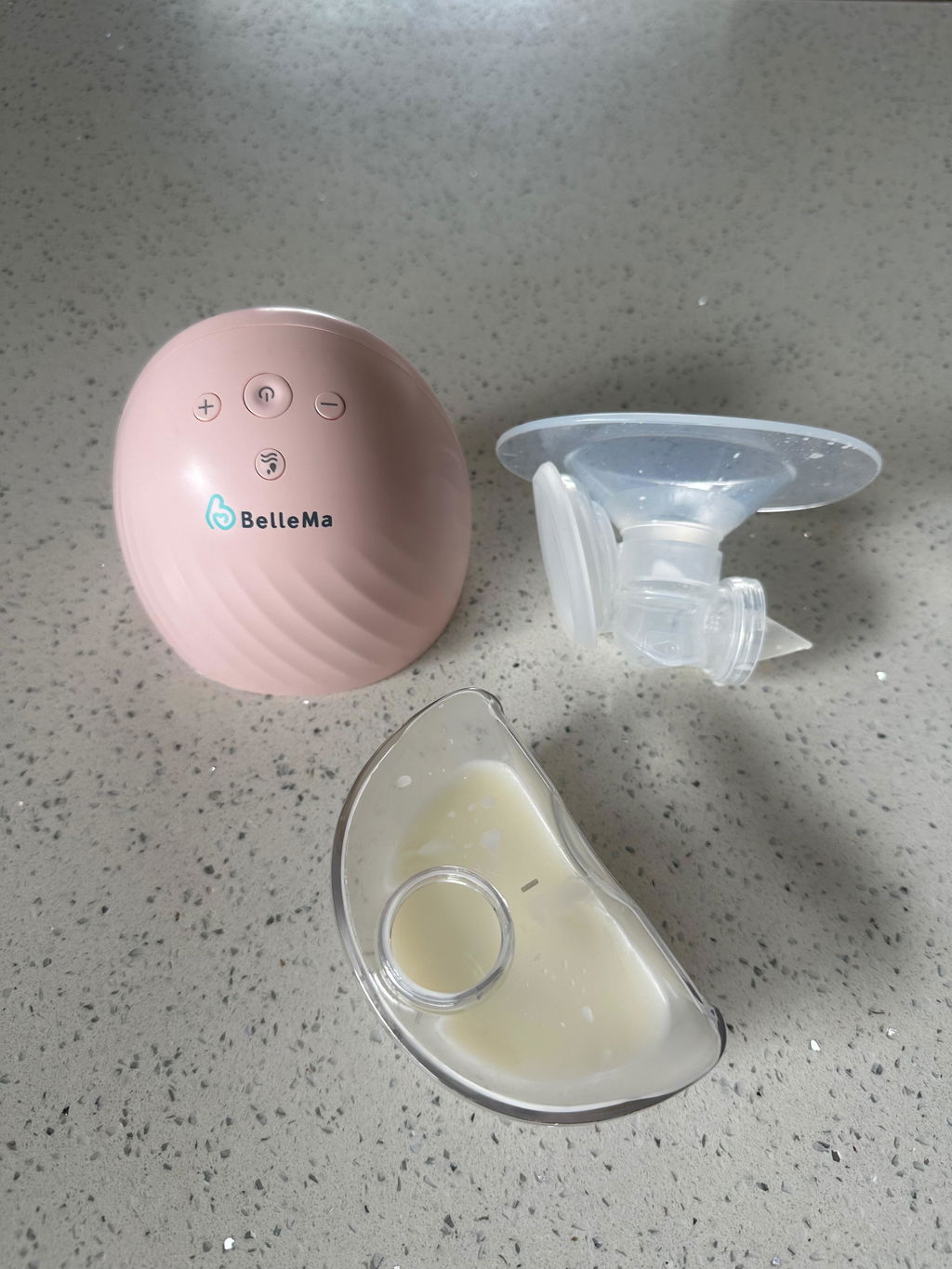
2. Position your wearable pump correctly. Wearable pumps can be a little tricker to position than traditional pumps because the collection cup and motor sits inside your bra. Even a small positioning issue can affect the seal and how your nipple sits in the tunnel.
Before switching your pump on.
- Centre your nipple in the middle of the flange opening.
- Make sure the flange sits flush against your breast, creating a good seal.
- Check the cup is sitting securely and isnt tilted or being pushed out of position.
- Check your nipple remains centred once your bra is supporting the pump.
Does your bra matter?
Absolutely! Your bra needs to hold the pump securely without squeezing your breasts or pressing the collection cup too tightly against your breast tissue. A bra that is too tight can distort the position of the pump and place unwanted pressure on your breast. One thats too loose may allow the cup to shift around.
Aim for secure, comfy fit rather than trying to hold the pump as tightly as possible.
3. Find the right suction and settings. It's tempting to turn your pump straight up, especially if your hoping to collect more milk. BUT stronger suction doesnt automatically mean more milk.
Try this simple routine.
- Start gently- begin with stimulation mode
- Find your comfortable suction
- Switch modes when milk starts flowing
- Adjust suction as needed.
4. Check that your pump parts are in good condition. Worn, damaged or incorrectly assembled parts can affect how well your pump works. If your output has suddenly dropped or suction has changed check your pump parts.
5. Sit upright and give yourself a moment.
One of the best things about wearables is that you can move around but that doesnt mean every position or activity will give the best results. We can't help gravity- bending over and laying down will cause leakages!
And remember, you don't have to use every pumping session to tick something else off you to-do list. Sometimes sitting down for 15 minutes is exactly what you need!
So heres your wearable pump trouble shooting checklist.
- I've got the correct flange size
- My nipple is centred.
- My bra is supporting without being too tight
- My pump is assembled correctly and parts are in good knick
- I've started with a comfy suction level
- I'm giving myself time to relax and encourage let down
- I'm sitting in a comfy position that allows milk to flow and collect properly.
If your wearable pump isn't giving you the results you had hoped for, please don't assume you're doing something wrong.
Sometimes it's a flange-size issue. Sometimes it's positioning, settings or a part that needs replacing. And sometimes your body simply responds better to a different type of pump.
Pumping is personal, and finding what works for you can take a little experimenting.
If you're still struggling with comfort or milk removal, reach out to a lactation consultant for individual support.
At More than Milk, we're here to help you find the right pumping gear for your journey, with practical advice to help you feel more confident along the way.